Advantages
- High pressure and temperature capability
Suitable for heavy-duty industrial processes involving high operating pressure and temperature. - Highly customizable and flexible design
Tube count, passes, materials, and TEMA configurations can be tailored for specific process conditions. - Handles dirty or viscous fluids well
Larger flow channels make it suitable for fouling-prone or high-viscosity fluids. - Ease of maintenance
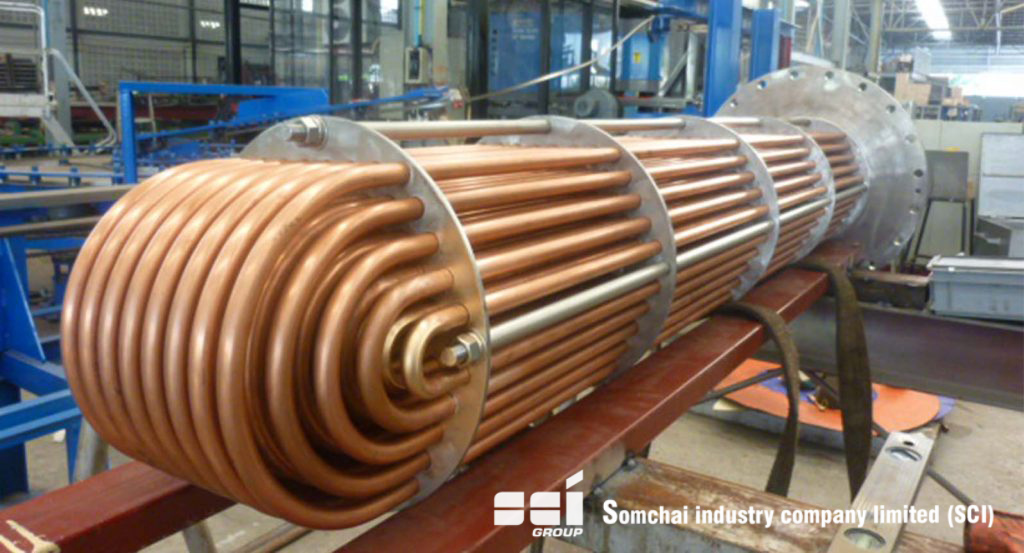
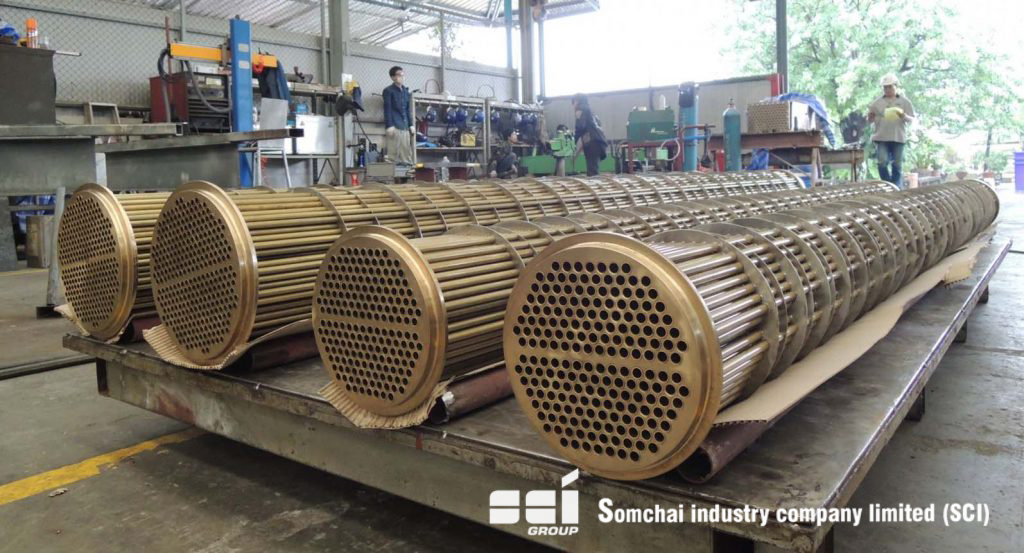
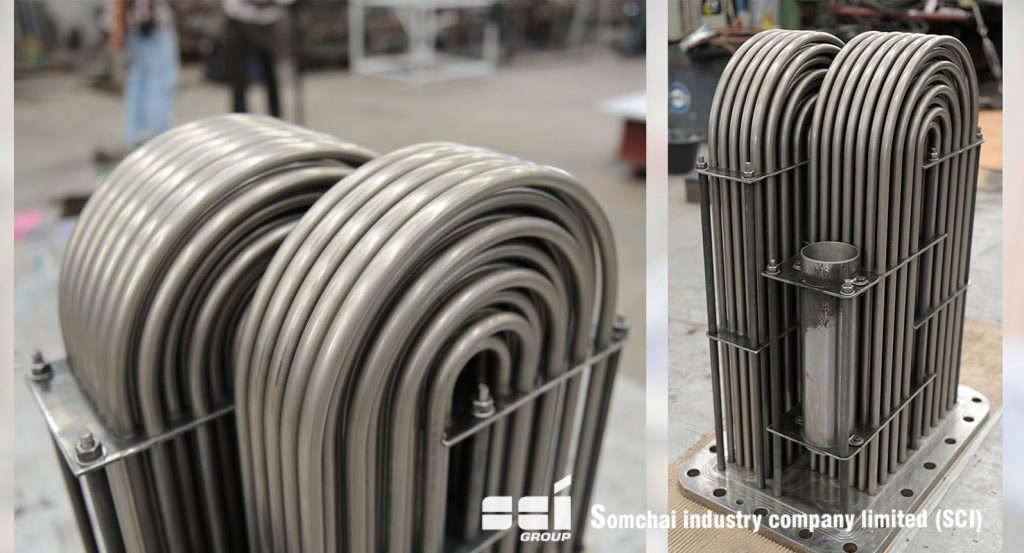
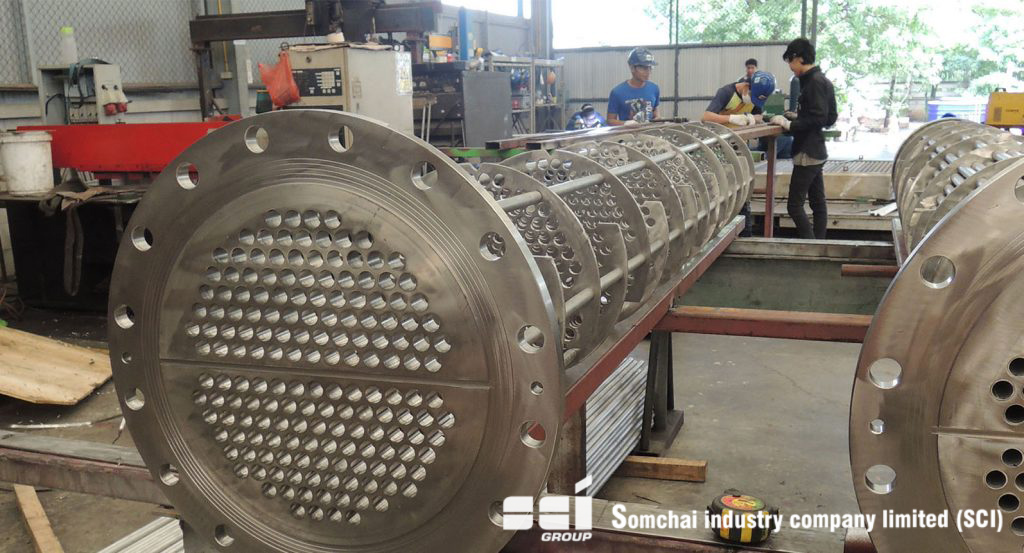
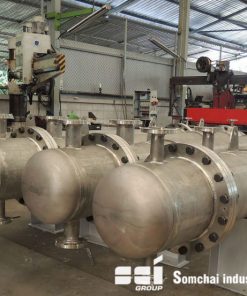
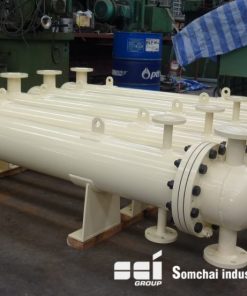
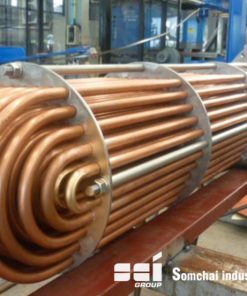
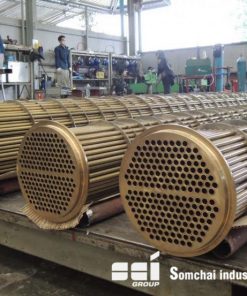
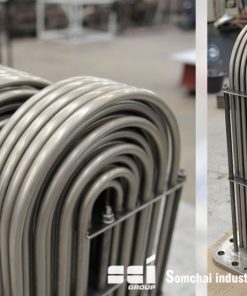
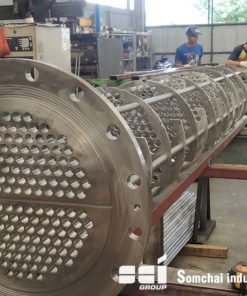
Removable tube bundles allow convenient mechanical cleaning and inspection.
Disadvantages
- Large footprint requirement
Requires more installation space compared with compact plate heat exchangers. - Higher initial and fabrication cost
Material and manufacturing cost are generally higher, especially for corrosion-resistant alloys. - Fouling susceptibility inside tubes
Scale and deposit buildup over time can reduce thermal performance and require planned maintenance.
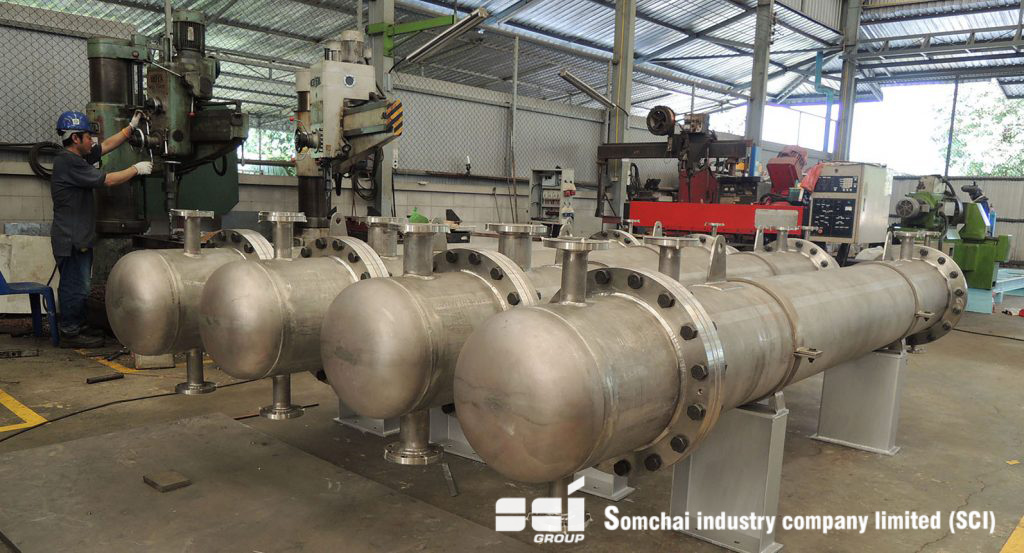
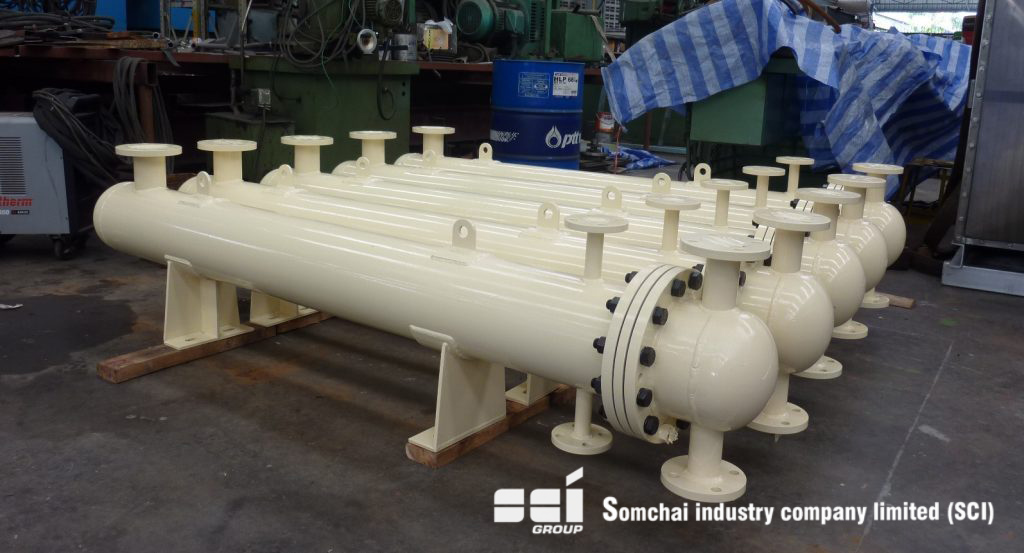
Shell and tube heat exchangers are used in various applications, such as reboilers and condensers in distillation columns, cooling water systems for machinery, heat recovery to reduce energy consumption, and chillers (shell & tube evaporators / condensers), among others.